

Description: Urea B is a granular nitrogen fertilizer with one of the highest nitrogen concentrations available on the market — around 46%. Its uniform, hard granules are easy to handle and apply, whether manually or with standard spreading equipment. The gradual solubility of the granules ensures a more consistent nitrogen release, improving nutrient uptake efficiency.
Application: Urea B is widely used for crops with high nitrogen demand such as cereals, corn, sunflower, vegetables, and fruit-bearing plants. It is especially effective during the active vegetative stage, when crops require a strong nitrogen supply to build green mass and prepare for flowering or fruit development.
Why Farmers Choose Urea B:
Pro Tip:
Urea B works best when applied in split doses or as part of a balanced fertilization plan. This prevents nitrogen losses and ensures plants receive nutrients when they need them most. For optimal results, make sure nitrogen is balanced with phosphorus and potassium to avoid nutrient imbalance.

Description: UAN is a liquid nitrogen fertilizer made from a balanced mix of urea and ammonium nitrate. It typically contains 28–32% nitrogen in both fast-acting and slow-release forms. Thanks to its liquid state, UAN is easy to mix, store, and apply, making it a popular choice for modern, large-scale agricultural operations.
Application: UAN is widely used in field crops like wheat, corn, rapeseed, and sugar beet, especially where uniform application and high efficiency are key. It can be applied via sprayers or fertigation systems, allowing precise nutrient delivery directly to the root zone or onto foliage for foliar feeding.
Why Farmers Choose UAN:
Pro Tip:
UAN is especially effective when applied in cooler weather or during early morning or evening hours — this minimizes nitrogen losses due to volatilization. It also blends well with other nutrients like sulfur (e.g., thiosulfate) to create custom fertilizer mixes tailored to specific crop needs.
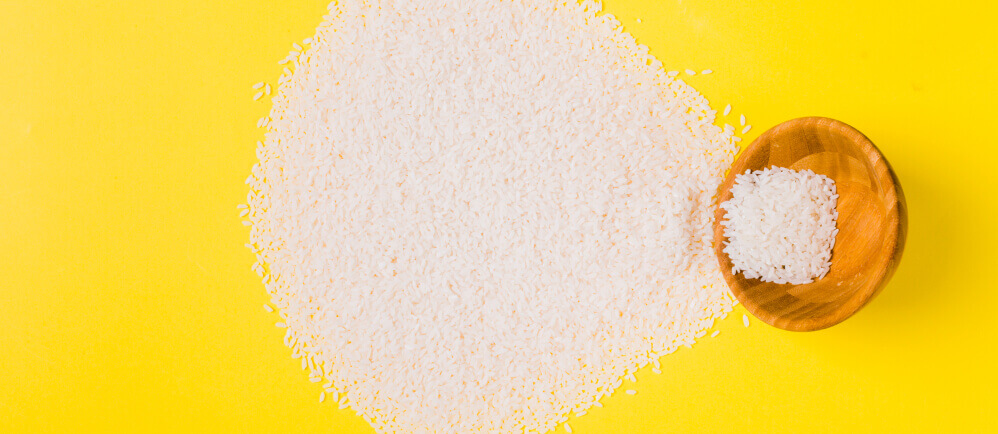
Description: Ammonium sulfate is a nitrogen-sulfur fertilizer that contains approximately 21% nitrogen and 24% sulfur. It is an essential tool for improving soil quality and boosting crop yields, especially in soils low in sulfur or when sulfur is needed to promote the growth of certain crops.
Application: This fertilizer is commonly used for crops like corn, wheat, and rice, which have high nitrogen and sulfur demands. Ammonium sulfate not only improves soil quality but also helps maintain an optimal pH balance, ensuring healthy root development and nutrient absorption.
Why Farmers Choose Ammonium Sulfate:
Pro Tip:
Ammonium sulfate is particularly effective when applied during the early stages of crop growth. Applying it in combination with other nutrients, like phosphorous, can improve its effectiveness and support the development of high-quality crops.
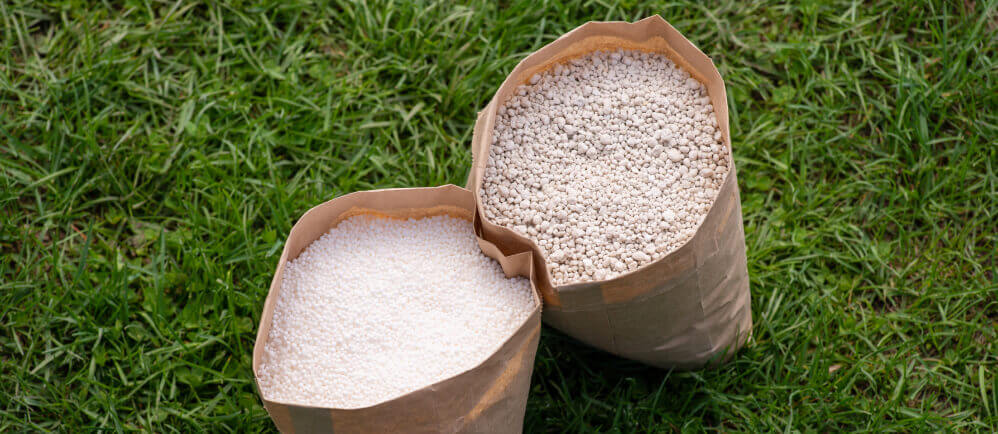
Description: Phosphate fertilizers like DAP (Diammonium Phosphate) and MAP (Monoammonium Phosphate) are key sources of phosphorus, an essential nutrient for plants. Phosphorus plays a crucial role in root development, energy transfer, and overall plant health, making these fertilizers indispensable for healthy crop growth.
Application: DAP and MAP are particularly useful during the early stages of plant growth, especially for crops with high phosphorus requirements, such as corn, wheat, and soybeans. These fertilizers help promote root expansion, ensuring that the plant develops a strong foundation for water and nutrient absorption throughout its life cycle.
Why Farmers Choose DAP and MAP:
Pro Tip:
For optimal results, consider applying DAP and MAP in combination with other fertilizers like nitrogen and potassium to ensure balanced plant nutrition. Adjusting the application timing based on crop needs can further enhance phosphorus uptake and maximize yield potential.

Description: SOP (Sulfate of Potash) is a premium potassium fertilizer containing around 50% potassium oxide (K₂O) and sulfur. Unlike MOP (Muriate of Potash), SOP is entirely chloride-free, making it the preferred choice for chloride-sensitive crops. Its purity and balanced nutrient composition make it ideal for high-value crops where quality and stress resistance are critical.
Application: SOP is especially recommended for fruits, vegetables, berries, potatoes, and ornamental crops. It supports healthy growth during critical stages like flowering and fruit setting, helping crops reach their full quality and yield potential. Its sulfur content also contributes to protein formation and improves nutrient uptake.
Why Farmers Choose SOP:
Pro Tip:
Apply SOP during key growth phases such as pre-flowering and fruit development for best results. It can also be used in fertigation systems and blends well with other nutrients like magnesium and trace elements, making it easy to integrate into comprehensive crop nutrition programs.
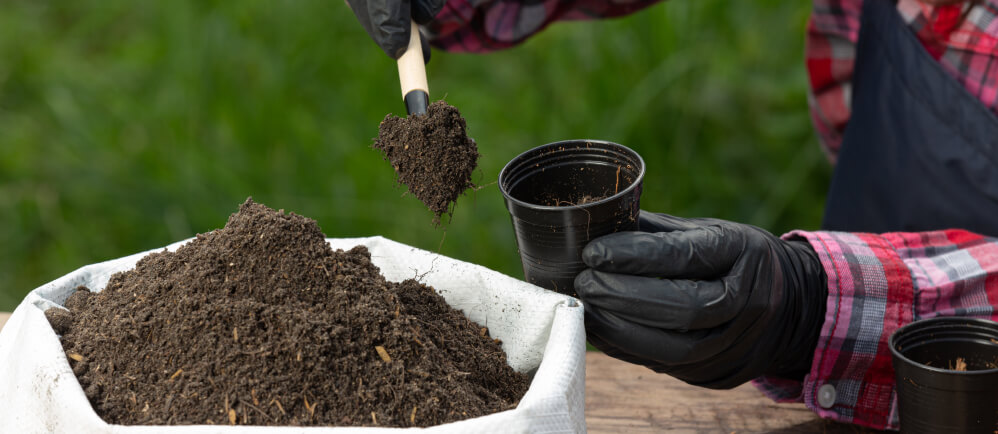
Description: NPK fertilizers are compound blends containing the three primary macronutrients essential for plant growth: nitrogen (N), phosphorus (P), and potassium (K). These fertilizers are available in various standardized ratios such as 10-10-10 or 20-20-20, as well as customized formulations tailored to specific crop needs and soil conditions.
Application: NPK fertilizers are used throughout the entire growing cycle — from planting to harvest — and are suitable for a wide range of crops, including cereals, vegetables, fruit trees, and ornamentals. The N-P-K ratio is selected based on the crop type, soil test results, and growth phase, ensuring the right balance of nutrients at the right time.
Why Farmers Use NPK Fertilizers:
Pro Tip:
For best results, use NPK fertilizers in conjunction with micronutrients and soil conditioners. Adjusting the formula throughout the growing season — for example, switching from a nitrogen-rich blend in early growth to a potassium-focused one during fruiting — can further optimize plant performance and yield.